OEM t-shirts Fabric Guide: Cotton, Polyester, Tri-Blend & Performance Materials
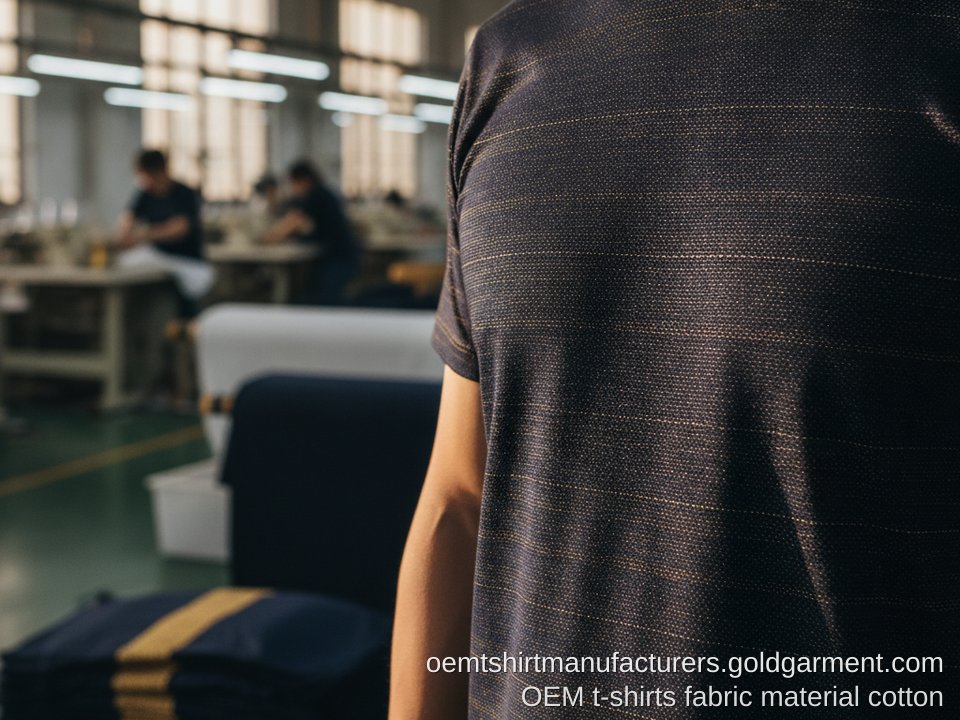
OEM t-shirts Fabric Guide: Cotton, Polyester, Tri-Blend & Performance Materials
Selecting the right fabric is a cornerstone of successful OEM t-shirt manufacturing. The material chosen directly impacts the garment's feel, durability, performance, and overall appeal to your target audience. As a leading t-shirt manufacturer in Vietnam, Gold Garment understands the nuances of various fabrics and how they contribute to a high-quality finished product. This guide will explore the most popular OEM t-shirts fabric materials, helping you make informed decisions for your next production run.
Understanding the properties of each fabric type is crucial for sourcing managers and brand owners. Whether you're aiming for a classic feel, athletic performance, or a unique blend, the material forms the foundation of your apparel. Our expertise at Gold Garment, based in Ho Chi Minh City, Vietnam, allows us to guide you through these choices, ensuring your custom t-shirts meet your exact specifications. We pride ourselves on offering factory-direct pricing and a low MOQ of just 100 pieces per style, making quality apparel accessible worldwide.
The journey from raw material to finished garment is complex, and fabric selection is an early, critical step. For those new to custom apparel production, navigating the options can seem daunting. However, with a clear understanding of the benefits and drawbacks of each material, you can confidently choose the best fit for your brand's needs. This detailed exploration will empower you to communicate effectively with your manufacturing partner and achieve the desired outcome for your t-shirt line. For a deeper dive into the intricacies of sourcing, our insights into Vietnam textile sourcing offer valuable context.
Understanding the Core Fabrics for Your OEM T-shirts
The world of t-shirt fabrics is diverse, but several core materials consistently stand out for their versatility and popularity. These form the basis for most custom apparel orders, from promotional items to high-end retail lines. At OEM T-Shirt Manufacturers, operated by Gold Garment, we specialize in working with these foundational fabrics to deliver exceptional quality.
100% Cotton T-shirts
Cotton remains the undisputed champion in the t-shirt industry, and for good reason. It's a natural fiber known for its exceptional softness, breathability, and hypoallergenic properties. When you're looking for a classic, comfortable feel, 100% cotton t-shirt manufacturer options are often the go-to choice. This material is highly versatile, taking dyes well and offering a pleasant feel against the skin, making it ideal for everyday wear, promotional events, and casual apparel lines.
The different types of cotton, such as Pima and Supima, offer even greater softness and durability due to their longer staple fibers. Standard carded cotton provides a good balance of comfort and affordability, while combed cotton undergoes an extra process to remove impurities and short fibers, resulting in a smoother, softer, and stronger fabric. The breathability of cotton makes it a popular choice in warmer climates or for garments intended for light activity.
However, 100% cotton can be prone to shrinking if not cared for properly and can absorb moisture without quickly wicking it away, which might not be ideal for intense physical activity. Despite these minor drawbacks, its widespread appeal and comfortable texture ensure that cotton remains a staple in the t-shirt market. For brands prioritizing a natural feel and comfort, partnering with a reliable 100% cotton t-shirt manufacturer is essential.
Polyester OEM T-shirts
Polyester is a synthetic fiber renowned for its durability, wrinkle resistance, and excellent color retention. It's a fantastic choice for polyester OEM t-shirts when longevity and ease of care are paramount. This material is lightweight, strong, and resistant to stretching and shrinking, making it a practical option for activewear, work uniforms, and promotional t-shirts that need to withstand frequent washing and wear.
One of polyester's key advantages is its ability to wick moisture away from the body. This makes it a popular choice for athletic apparel, keeping the wearer dry and comfortable during exercise. It also dries much faster than cotton. Furthermore, polyester holds its shape exceptionally well and is resistant to mildew and abrasion, contributing to a longer garment lifespan.
While polyester offers many benefits, some individuals may find it less breathable than natural fibers like cotton, and it can sometimes feel less soft against the skin, especially in its pure form. However, advancements in fabric technology have led to softer, more breathable polyester blends that mitigate these concerns. When considering polyester OEM t-shirts, you're investing in a resilient and performance-oriented fabric.
Tri-Blend T-shirts
The tri-blend fabric is a sophisticated fusion of three different fibers, typically a combination of cotton, polyester, and rayon. This blend is celebrated for creating a t-shirt that offers the best of all worlds: the softness and breathability of cotton, the durability and moisture-wicking of polyester, and the beautiful drape and vintage feel of rayon. The result is an incredibly soft, comfortable, and stylish garment with a unique texture.
Tri-blend t-shirts have a distinctive look and feel that appeals to brands aiming for a premium, retail-quality aesthetic. They often have a slightly heathered appearance, adding visual depth and character. Because of the blend, they tend to be more resistant to shrinking and stretching than 100% cotton shirts, while still maintaining a comfortable, breathable feel.
This fabric is an excellent choice for fashion-forward brands, boutique apparel, and any line where a superior hand-feel and a modern, comfortable fit are key selling points. As a tri-blend tshirt Vietnam specialist, Gold Garment can help you achieve this sought-after combination of style and comfort. The unique properties of tri-blend make it a popular choice for those seeking a t-shirt that feels broken-in from the first wear.
Performance Materials
Performance fabrics are engineered for specific functional benefits, primarily related to athletic activities and demanding environments. These materials are typically made from synthetic fibers like polyester, nylon, or spandex, often in specialized weaves or knits designed for moisture management, stretch, and durability. They are the backbone of modern sportswear and activewear.
Key characteristics of performance materials include superior moisture-wicking capabilities, which pull sweat away from the skin to the fabric's surface for rapid evaporation. Many performance fabrics also offer enhanced breathability, keeping the wearer cool and comfortable. Stretch and recovery are crucial for freedom of movement, while lightweight construction minimizes bulk. Some performance fabrics also incorporate features like UV protection, anti-microbial treatments, or water resistance. Vietnam uniform t-shirt factory Gold Garment.
When your brand requires t-shirts for sports teams, gyms, outdoor adventures, or any activity where comfort and functionality are paramount, performance materials are the ideal selection. The exact composition and weave can be tailored to achieve specific performance goals, ensuring your custom apparel not only looks great but also enhances the wearer's experience. This focus on technical attributes sets performance wear apart from casual apparel.
Choosing the Right Fabric for Your Brand
The decision of which fabric to use for your OEM t-shirts hinges on your brand's identity, target audience, and intended use of the garment. Each material offers a unique set of advantages, and understanding these will guide you toward the optimal choice. Gold Garment, with its extensive experience in t-shirt manufacturing at our facility in Ho Chi Minh City, Vietnam, is equipped to produce high-quality garments from all these fabric types.
Consider Your Target Audience
Who are you trying to reach with your t-shirts? If your audience values natural comfort and a classic feel, 100% cotton is likely your best bet. For a more budget-conscious option that still offers good durability, a cotton-poly blend might be suitable. If your brand is associated with an active lifestyle or performance gear, then polyester or specialized performance fabrics are essential.
For a premium, fashion-conscious market, the luxurious softness and drape of a tri-blend can significantly elevate your brand's perception. Understanding your customer's preferences for texture, weight, and feel will significantly influence the fabric choice. This aligns with creating apparel that resonates deeply with your intended wearers.
Evaluate the Intended Use
The purpose of the t-shirt is a critical factor. For everyday casual wear, cotton or a soft blend excels. For promotional t-shirts that need to be durable and easy to care for, a cotton-polyester blend or pure polyester is often a practical choice. If the t-shirts are for athletic events, gym wear, or outdoor activities, then moisture-wicking, breathable performance materials are non-negotiable.
Consider the environment in which the t-shirt will be worn. High-activity situations demand fabrics that can keep up. For example, a company ordering uniforms for its field staff might require the durability and moisture management of polyester. A real example from a Vietnam uniform t-shirt factory Gold Garment showcases how tailored fabric choices meet specific professional needs. Learning about the complete manufacturing process, as detailed in our guide on How OEM t-shirts Are Made: The Complete Manufacturing Process Step-by-Step, can also provide valuable context.
Budget and Durability
While 100% cotton can be very affordable, its tendency to shrink and wrinkle might increase long-term costs if garments need frequent replacement. Polyester generally offers excellent durability and colorfastness at a competitive price point. Tri-blends typically fall into a higher price bracket due to the cost of materials and the specialized manufacturing process, but they offer superior comfort and a premium feel that can justify the investment.
When considering your budget, it's essential to balance the initial cost with the expected lifespan and perceived value of the garment. A slightly higher upfront investment in a more durable or premium fabric can lead to greater customer satisfaction and a stronger brand image in the long run. Understanding the implications of Minimum Order Quantity for OEM t-shirts is also a key aspect of budgeting, as explored in our guide on Minimum Order Quantity for OEM t-shirts.
Sustainability Considerations
For brands prioritizing sustainability, organic cotton is an excellent choice, offering the benefits of cotton with reduced environmental impact. Recycled polyester is also becoming increasingly available, providing a more eco-friendly alternative to virgin polyester. Blended fabrics can sometimes pose recycling challenges, but innovation in this area is ongoing. Discussing your sustainability goals with your manufacturer can help identify the most responsible fabric options available.
Frequently Asked Questions
Q: What is the most breathable t-shirt fabric?
A: Generally, 100% cotton is considered very breathable due to its natural fiber structure. However, specialized performance fabrics engineered with advanced wicking and ventilation technologies can offer superior breathability, especially during physical activity.
Q: Which fabric is best for screen printing OEM t-shirts?
A: 100% cotton and cotton-polyester blends are excellent for screen printing. They provide a stable surface that accepts ink well, resulting in crisp, vibrant prints. While polyester can also be screen printed, some inks may require special curing processes.
Q: How can I ensure my OEM t-shirts are durable?
A: Durability is influenced by fabric type, weave, and construction. Polyester and high-quality cotton blends tend to be more durable than standard cotton. Choosing a reputable manufacturer like Gold Garment, with over 10 years of experience, also ensures quality stitching and construction, contributing to the longevity of your t-shirts.
Q: What is the difference between OEM and private label t-shirts manufacturing?
A: OEM (Original Equipment Manufacturer) t-shirts involve a manufacturer producing goods to another company's specifications, often using their designs. Private label t-shirts involve a manufacturer producing a generic product that a retailer then brands as their own. Our guide on OEM vs Private Label OEM t-shirts Manufacturing further clarifies these distinctions.
Choosing the right fabric is a critical step in creating high-quality OEM t-shirts that resonate with your brand and customers. We are committed to providing factory-direct pricing and worldwide shipping from our facility in Ho Chi Minh City, Vietnam.
📩 Request a Free Quote — Response Within 5 Minutes
🌎 Website: oemtshirtmanufacturers.goldgarment.com
Factory-direct pricing · MOQ from 100 pcs/style · Sample development · Worldwide shipping
.jpg)
.jpg)
.jpg)
Nhận xét
Đăng nhận xét